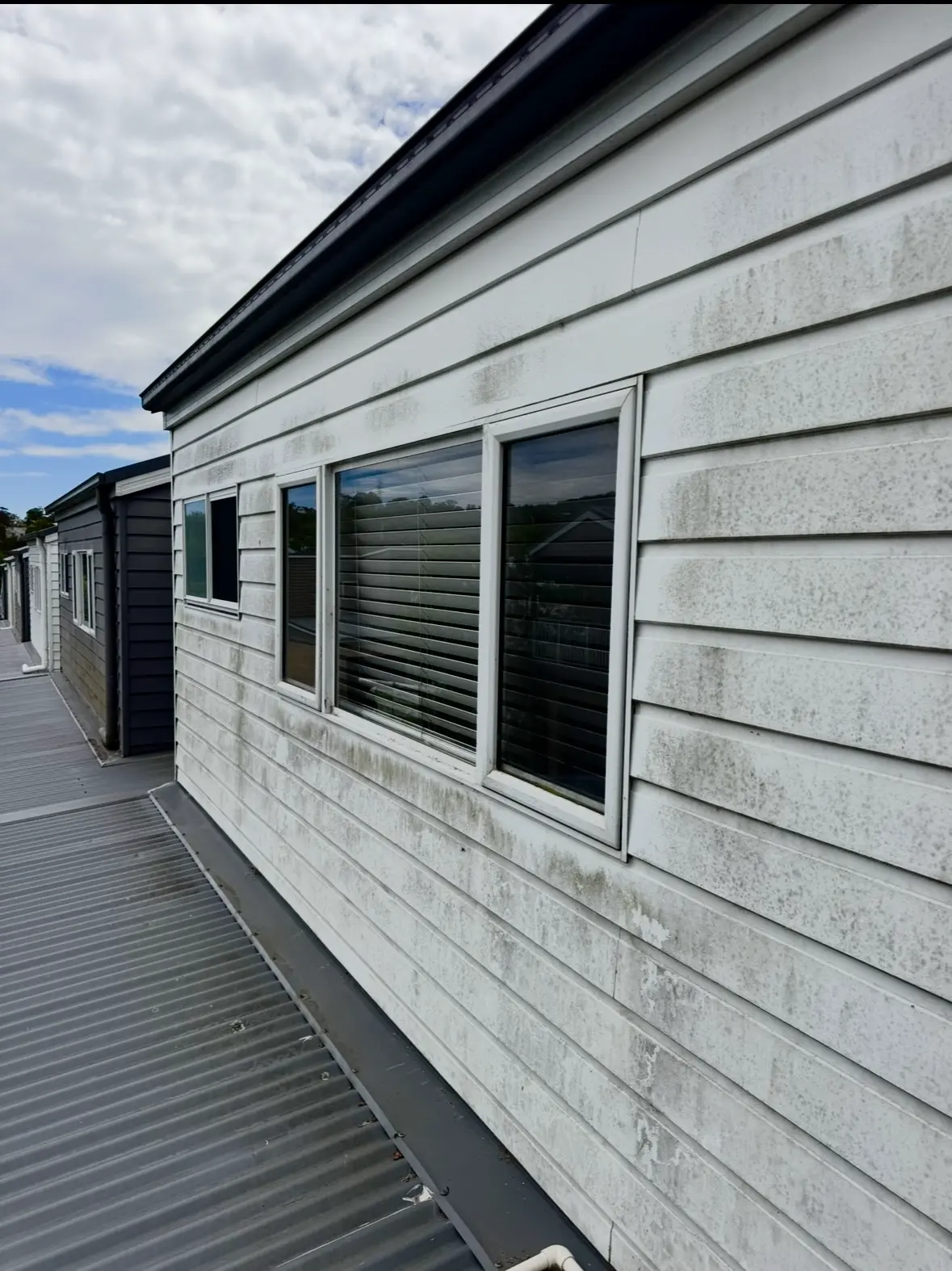
Most house exteriors in Newcastle can be washed. Not all of them should be pressure washed. The surface type determines the correct method — and using the wrong one strips paint, cracks render, and costs more to fix than the clean was worth.
The short answer: brick walls and hard concrete render can handle pressure washing. Painted weatherboards, painted render, fibrous cement cladding, and roof tiles all need soft washing instead.
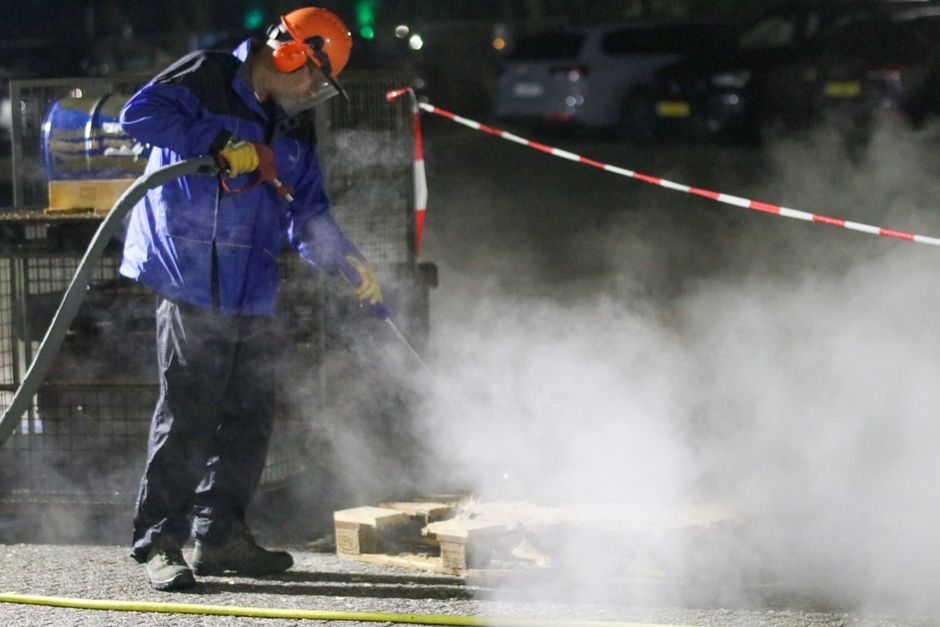
What you can pressure wash on a house exterior
Unpainted brick is the most forgiving surface on a house exterior. It has no coating to strip and handles the mechanical force of a pressure washer without damage, provided you use the right nozzle and keep the PSI within range.
Hard render — the smooth grey kind you see on older bungalows and commercial builds — can also be pressure washed if it is uncoated. Same rule: the right nozzle, the right pressure, working from top to bottom so dirty water does not run over clean sections.
Pool surrounds and paved areas around the house respond well to pressure washing. These are often the dirtiest parts of an exterior — algae, leaf stain, mineral deposits — and the concrete surfaces handle high pressure without issue.
Surfaces that suit pressure washing:
- Unpainted brick
- Uncoated hard render
- Concrete paving and pool surrounds
- Stone or tile paths
What must be soft washed instead
Painted surfaces are a different matter. Any exterior coating — paint, texture coating, acrylic render — sits on the surface and can be damaged or lifted by high-pressure water. A standard pressure washer running at 2500 PSI will strip paint off weatherboards faster than most people expect.
Fibrous cement cladding (commonly called Hardiplank or compressed sheet) has a factory finish that pressure washing erodes. The surface becomes rough and chalky, absorbs more moisture, and the whole point of the cladding — low maintenance — is undone.
Roof tiles should never be pressure washed. High-pressure water strips the protective granule coating from concrete tiles and forces water under laps. It voids the tile warranty and accelerates the damage it was supposed to prevent. Soft washing at low pressure with a biodegradable chemical solution is the correct method.
Surfaces that need soft washing:
- Painted weatherboards and timber cladding
- Painted, acrylic, or textured render
- Fibrous cement (Hardiplank, compressed sheet)
- Roof tiles and metal roofing
Why pressure washing alone does not fix mould
A pressure washer removes what is visible. It does not kill the biology underneath.
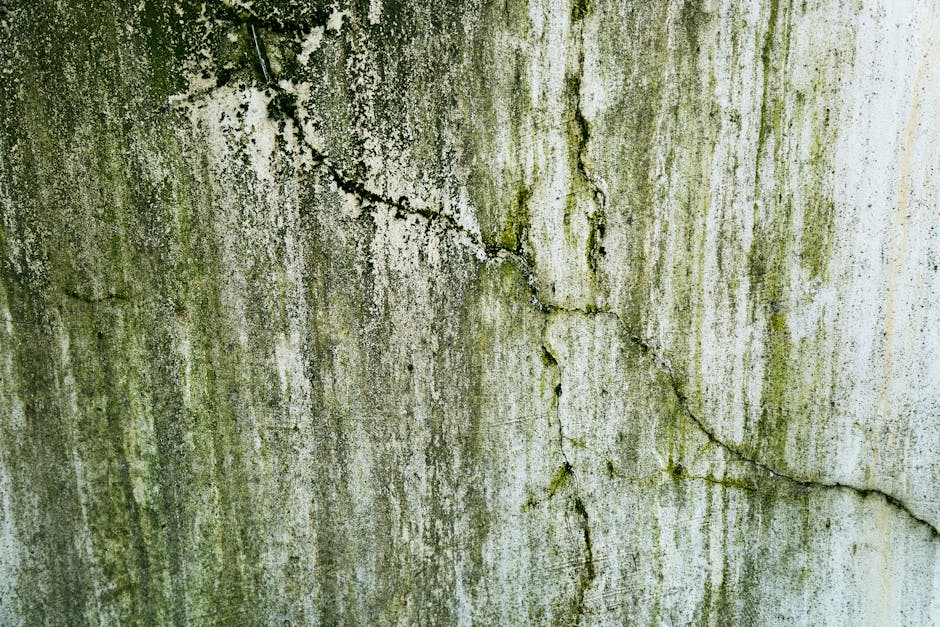
Mould, algae, and lichen anchor to surfaces using microscopic root structures. Strip the surface growth and the anchors remain. Within three to six months, the same growth is back — sometimes faster, because the cleaned surface is more porous.
Soft washing applies a biodegradable sodium hypochlorite solution that kills the organism at the root. The visible growth washes off in rain over the following weeks. Results on a soft-washed surface last one to three years before retreatment — compared to three to six months from pressure washing alone.
If your house exterior has black streaks or green patches rather than just surface dirt, a pressure wash will make it look cleaner for a short time. Soft washing — or a combined treatment — is what actually fixes it. SafeWork NSW recommends using the correct equipment and chemical treatments for each surface type to prevent property damage.
The correct pressure range for a house exterior
For unpainted brick and hard surfaces on a house, the working range is 1500–2500 PSI at a wide fan angle. This is lower than a driveway clean (where 2500–3500 PSI is standard) because house surfaces have more variation and are closer to windows, seals, and frames.
Nozzle choice matters as much as PSI. A narrow-angle nozzle concentrates pressure into a line — useful for blasting grout but destructive on most exterior surfaces. A 25- or 40-degree fan nozzle distributes pressure more evenly and is the correct choice for walls.
The operator's distance from the surface matters too. Most damage from DIY pressure washing comes from getting too close — at 150mm from the surface, effective pressure is roughly double what it is at 300mm.
How often should you wash a house exterior in Newcastle
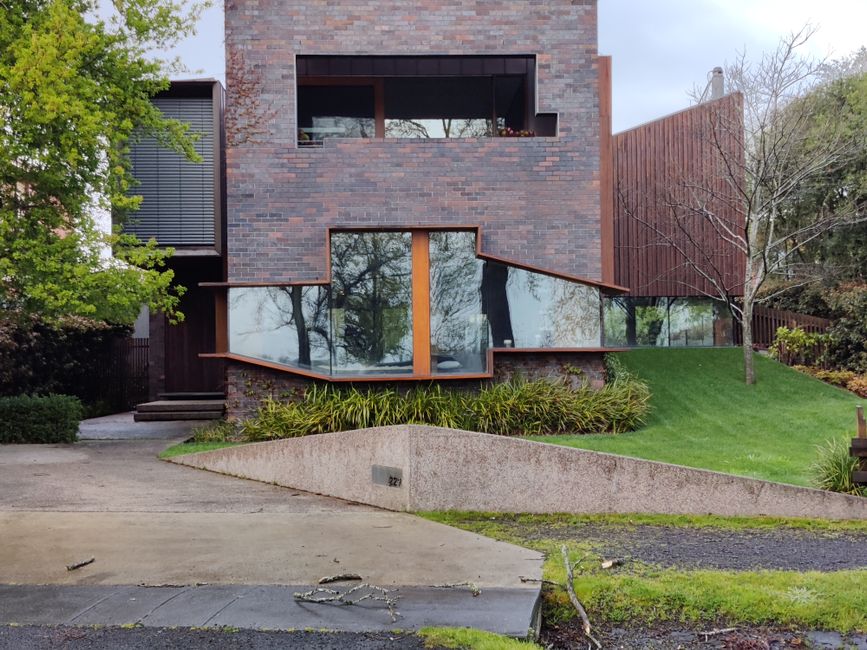
Every one to two years is the right interval for most Newcastle homes. A few things shorten that window.
North-facing walls receive more UV and more moisture variation than south-facing walls. Algae and lichen establish faster on north-facing surfaces — especially in the months after the wet season. If you see regular green or black growth within twelve months of a clean, move to annual treatment on those walls.
Properties near trees collect more organic debris. Leaf tannins, sap, and bird activity from overhanging branches stain render and cladding year-round. If you have a eucalyptus or fig overhanging the roofline, plan for annual cleaning on the affected areas.
Ocean proximity accelerates breakdown of exterior coatings. Salt air deposits on surfaces and attracts more moisture. Properties within a kilometre of the coast — Merewether, Bar Beach, Nobbys — typically benefit from annual treatment.
What a professional house wash actually includes
A professional exterior house wash is not just pointing a pressure washer at a wall. The correct process:
- Pre-wetting all surfaces before chemical application
- Applying a biodegradable detergent or wash solution with appropriate dwell time
- Agitating problem areas — mould patches, oil spots near air conditioning units
- Rinsing from top to bottom to avoid running dirty water over clean sections
- Checking window seals, meter boxes, and door frames for water ingress
What is not included unless specifically quoted: gutters, roof, windows, and driveway. We quote each item separately so you know exactly what you are paying for. See the full list on our house washing service page.
How much does a house wash cost in Newcastle
A standard house wash in Newcastle costs $399–$599 depending on the size of the home and the level of soiling. That covers a single-storey residence. Two-storey homes require longer setup and sit at the top of that range.
For context: a professional exterior clean every 18 months costs around $265–$400 per year averaged over time. Repainting a home exterior in Newcastle costs $3,500–$8,000. According to NSW Fair Trading, regular exterior maintenance is among the most cost-effective ways to protect property value and avoid larger repair bills.
For a quote specific to your home, call 0405 371 116 or contact us online. We respond within 2 hours during business hours.
When not to book a house wash
We will tell you when a clean is the wrong call.
If the paint on your weatherboards is already peeling or bubbling, washing accelerates the damage — water gets under the lifted paint and the problem worsens. The correct order is: scrape and repaint, then maintain with regular cleaning.
If render is cracking, water under pressure or chemical solution will penetrate the cracks and sit against the substrate. Fix the render first.
If your cladding has swollen, bowed, or shows signs of water damage, the surface problem is secondary to a structural one. A builder or plasterer should assess it before you wash anything.
A clean will not fix structural or substrate issues. It will only clean what is cleanable. For a full overview of what we cover, see our services page — including roof cleaning and gutter cleaning, which are often needed at the same time as a house wash.
Frequently Asked Questions
Can I pressure wash my house myself?
You can pressure wash brick and concrete surfaces yourself with a consumer pressure washer, but painted weatherboards, render, and fibrous cement cladding should be left to professionals or soft washed. Getting the PSI wrong on a painted surface causes damage that costs more to fix than the clean.
How long does a house wash take?
A standard single-storey home takes two to four hours depending on size, surface type, and soiling level. Two-storey homes or properties with heavy mould growth take longer. Most residential jobs are completed in a single visit with no return appointment.
Will pressure washing remove mould permanently?
No. Pressure washing removes the visible mould but does not kill the organisms causing it. Soft washing with a biodegradable chemical treatment kills mould, algae, and lichen at the root. Results last one to three years before retreatment, compared to three to six months from pressure washing alone.
How much does a house wash cost in Newcastle?
A standard house wash costs between $399 and $599 for a single-storey home in Newcastle. Two-storey homes sit at the top of that range. Call 0405 371 116 for a specific quote — we respond within 2 hours during business hours.
Is it safe to pressure wash near windows?
It can be, with the right nozzle angle and technique. The risk is water getting into window seals, frames, or weep holes — especially on older properties. We check all window seals before and after washing and avoid high pressure near frames.